
The Venture Dept. is proud to share our investment thesis for Fission, a company building liquidity and market infrastructure for tokenized funds. Fission announced a $10 million Series A led by Pantera Capital, with participation from Circle, Borderless Capital, and existing investors. We invested in Fission’s seed round in early 2025, and we’re glad to see the company reach this milestone. Fortune has the story here.
Fission is built around a big theme that we think will transform investing: making private markets more public. This starts by focusing on liquidity. Private market funds are increasingly issued as tokens that can move at any hour, but the funds underneath still let investors out only on fixed redemption schedules. Fission provides 24/7 liquidity for fund investors, buying positions from holders who need to exit between redemption windows. It sits across issuers rather than competing with them, and the number of supported tokens and issuers has grown quickly as issuers look for ways to make their own products liquid; Centrifuge, for example, now offers instant USDC liquidity across several of its flagship funds through Fission.
Here’s why we invested:
1. Private markets are becoming more public.
This is one of the central themes of our portfolio. The defining companies of this generation are staying private far longer: the median age of a company at IPO was five years in 1999 and twelve in 2025, according to Jay Ritter’s data at the University of Florida. Most of the value these companies create now accrues before they ever list, and current accredited investor rules lock most people out of it. That is starting to change. Asset managers have packaged private equity and private credit into evergreen and interval funds for wealth clients, and in September, the SEC proposed rules to expand retail access to private markets. We hope to see the accredited investor rules themselves loosened so that more people can participate. Fission is one piece of a much larger problem, and it is a piece that has to be solved for broader access to work.
2. Tokenized funds trade around the clock but redeem quarterly.
A fund token can settle at any hour, but the fund behind it typically redeems monthly or quarterly, with notice periods of 30 to 90 days. Under stress, funds can also limit withdrawals. An investor who needs cash today has two choices: wait, or sell at a steep discount to a buyer of last resort. Fission prices that gap as financing. It buys the position, holds it through the redemption window, and charges a discount that reflects time and cost of capital rather than distress. That turns a locked position into a usable one, which is what makes a tokenized fund worth holding on-chain in the first place. The same mechanism applies to the far larger universe of traditional semi-liquid funds, where tens of billions of dollars are redeemed each year. Those funds are starting to come on-chain: in September, the SEC allowed a registered fund to issue a tokenized share class that can trade on alternative trading systems, and within weeks a major alternatives manager filed for the same relief across five funds holding about $7.7 billion. Fission is building the liquidity they will need when they arrive.
3. Jon and Steve know this market from the buy side and build side.
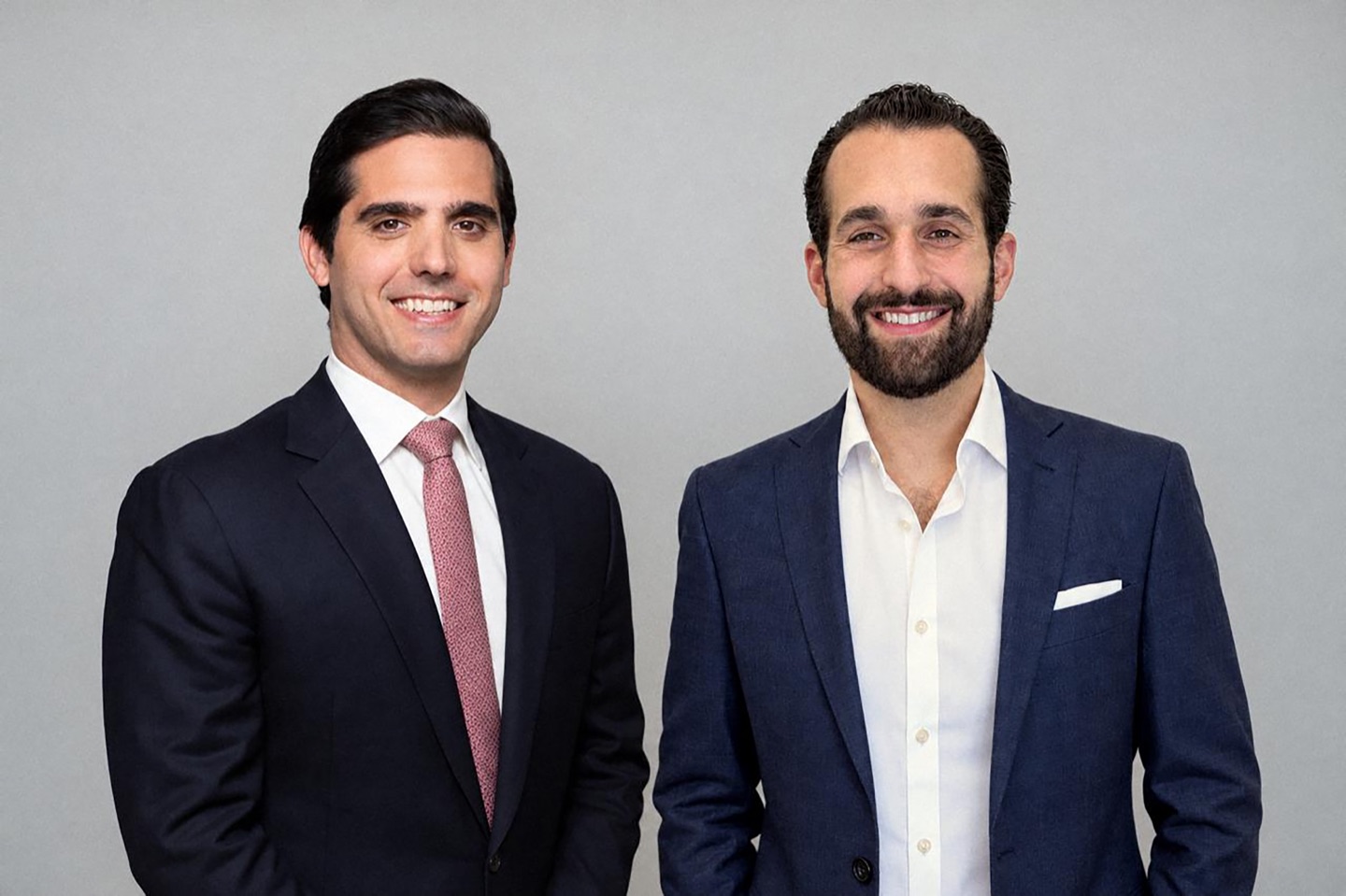
Jon Shaffer, Fission’s Founder and CEO, brings deep experience across traditional finance and digital assets, having previously held investment roles at Point72 and Credit Suisse. His background spans public and private markets, with a strong foundation in investing, capital markets, and financial innovation. Jon is joined by Steve Bendit, Fission’s Chief Revenue Officer, who brings extensive experience in tokenization, institutional relationships, and distribution from his time at Securitize. Together, they combine deep financial markets expertise with the commercial experience needed to build and scale institutional financial infrastructure.
We’re proud to back Jon and the Fission team as they build the liquidity layer for tokenized funds.